
LOVE YOURSELF: Nia Ford
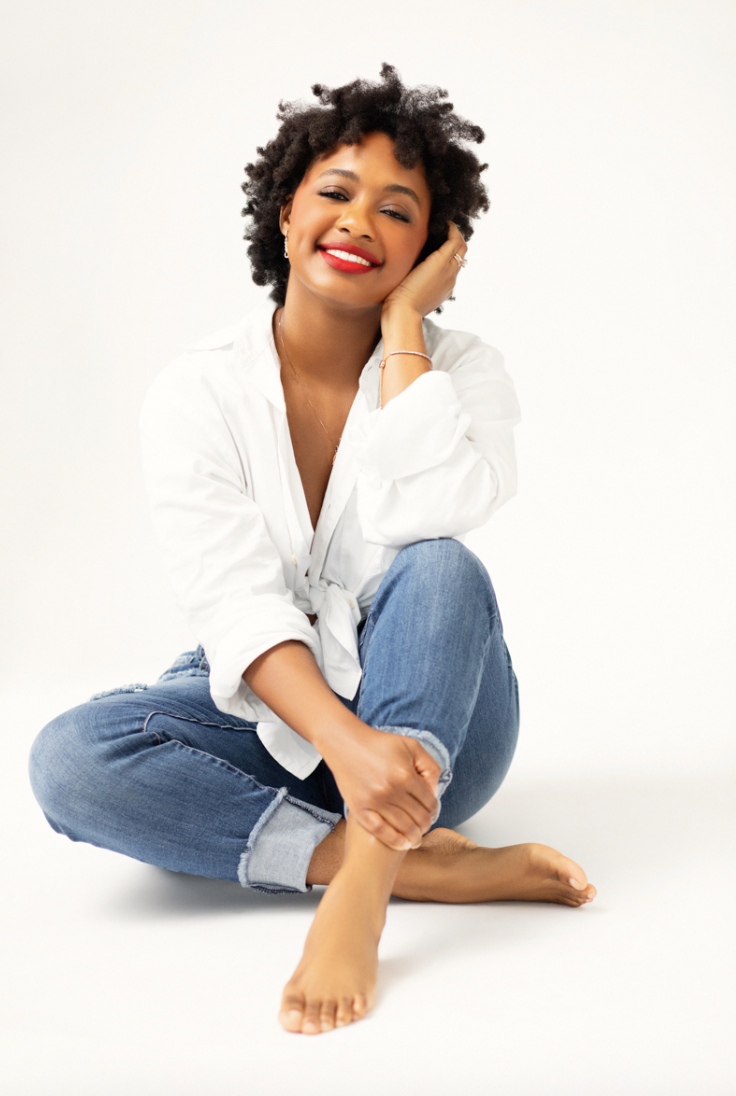
I met Nia last November at Commissioned. We first met during set up the day before the event. I thought she was lovely, but I didn’t realize how much of a powerhouse she was until the next day. I would say I really got to know Nia while she was onstage as one of the panelists discussing Business & Philanthropy. I was so drawn to everything Nia said as she said it was such sincerity and conviction. As a make up artist with her own business, iBlessFaces Artistry, I know she must hear all kinds of stories that women have about themselves and their appearance. As I listened to Nia on stage, I wrote in my notes…LOVE Yourself. She was literally talking about this on stage and I just knew I needed to share her thoughts on the topic with you all. Without further adieu…
1. What does LOVEyourself mean to you?
To truly love yourself is to accept every part of you—the good, the bad, and the ugly. We were created in the image of God, so why tear down His creation? Every “flaw” is simply a unique stamp of God’s love on your body. What we often call weakness is really just space for God’s strength to shine.
Loving yourself looks like being patient with yourself. It’s speaking kindly to yourself, caring for yourself tenderly, and being mindful of your words and actions. It means not comparing yourself to others and instead being grateful for the body, mind, and relationship you have with yourself. Loving yourself is refusing to dishonor your body—whether through how you treat it or how you talk about it, even as a joke.
It’s choosing not to beat yourself up or keep a running mental list of your failures. It’s forgiving yourself and striving to be better than your past, knowing you can’t fix yesterday—but you can steward today.
2. Did you have someone who exuded a positive body image for you growing up? A family member, friend, mentor, etc.?
Yes—the women in my family. They took pride in their appearance in a very holistic way. They cared for their bodies in a way that affirmed womanhood rather than critiqued it. There was no body shaming—only celebration. Slim bodies, curvy bodies, everything in between was glorified and loved.
They sang praises over one another, made loving gestures toward all the different body types in our family, and moved freely. They laughed, danced, and loved out loud. Their bodies told stories of joy, confidence, and self-expression—and that, to me, was self-love in motion.
3. Do you tear your body apart vocally? Do you praise your body vocally?
As I reached adolescence, my view of myself shifted. At 15, I experienced a traumatic incident that permanently altered my face—I lost my front tooth in a violent moment, and that loss deeply impacted how I saw myself. Even though elders called me “pretty” and my parents told me I was beautiful, I couldn’t see what they saw. All I saw was something broken, something damaged—and my words reflected that.
For a long time, my self-talk was harsh. But as I’ve grown into adulthood and begun healing out loud, my language has changed. Now, I choose words that build me up and reestablish my identity in Christ. I use language that keeps me grounded, and I care for my body—physically, mentally, and spiritually. Praise didn’t come naturally at first, but it came intentionally.
4. Are you working to improve your mindset around body image, or is it a neutral mindset for you?
Every day is an opportunity to improve—to grow, to learn, and to shift my thinking. Even when I feel like I’m in a good place, I know there’s always room to be better and more intentional. It’s ongoing work, not a finished destination.
5. Do you have anyone that you are trying to set a healthy example for?
Myself.
I know what I’m capable of—and every day, I’m simply proving it to me.
With LOVE and Grace,
Elizabeth